
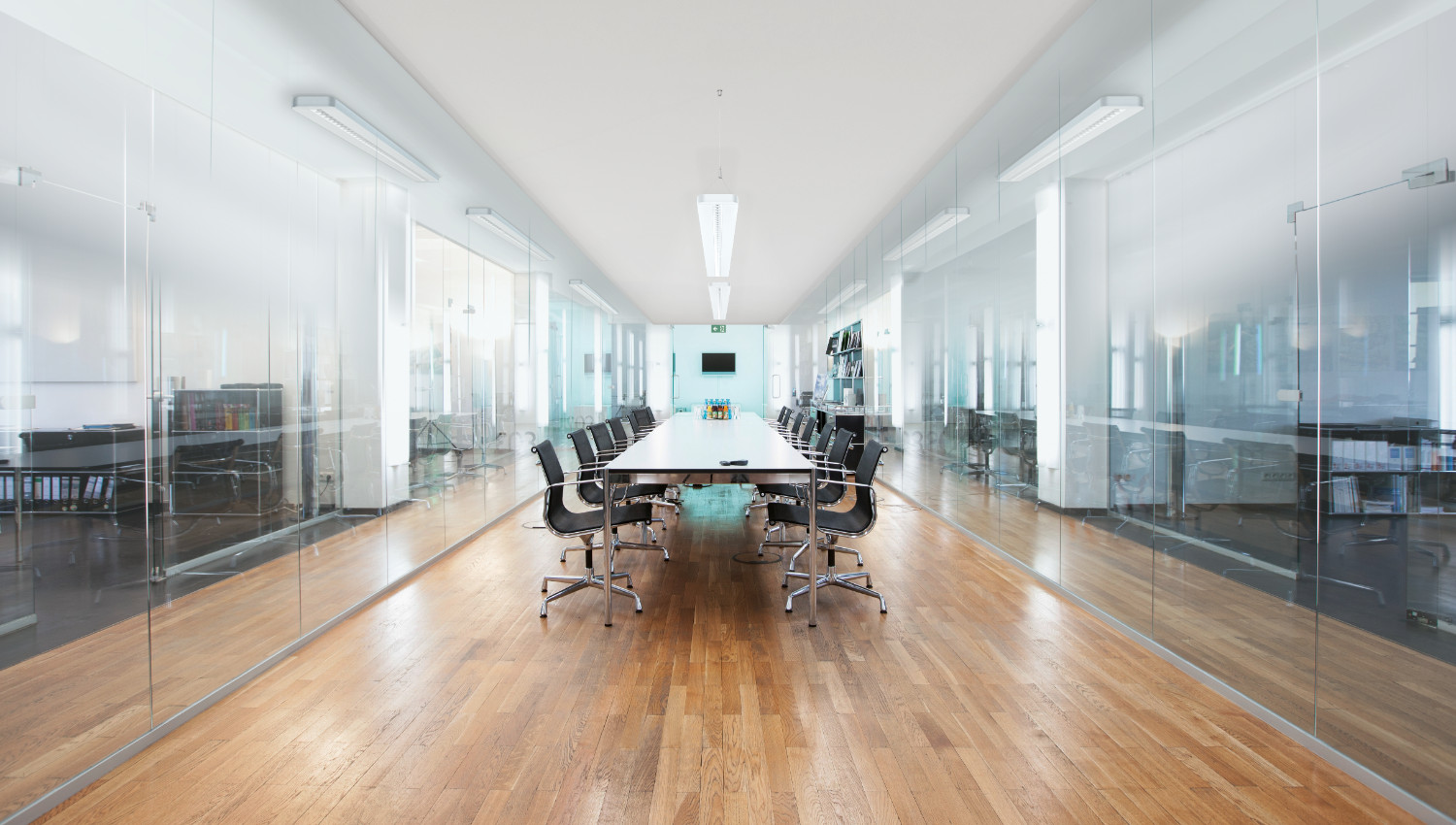
Residential and commercial properties have different recommendations for illumination based on the room or task that requires completion.
The primary measurements for residential and commercial lighting requirements are in footcandles and lux. A footcandle measurement involves how many lumens are needed per square foot, while lux takes the same measure by each square meter.
In this guide, we will deliver a quick overview of lighting requirements in resident and commercial settings to help you access useful lighting information with ease.
Understanding lighting requirements is crucial across various aspects of business.
Proper lighting helps prevent accidents such as trips and falls, especially in high-risk areas like stairwells and work zones. It also plays an irreplaceable role in health, as light regulates our internal clocks. In addition, different tasks require specific lighting. Cooking, reading, or detailed work requires focused brightness to avoid mistakes, while offices require balanced lighting to maintain productivity.
As for compliance, many spaces must follow legal standards for lighting to keep occupants safe. In essence, understanding lighting requirements impacts our lives in many ways, both at home and in the workplace.
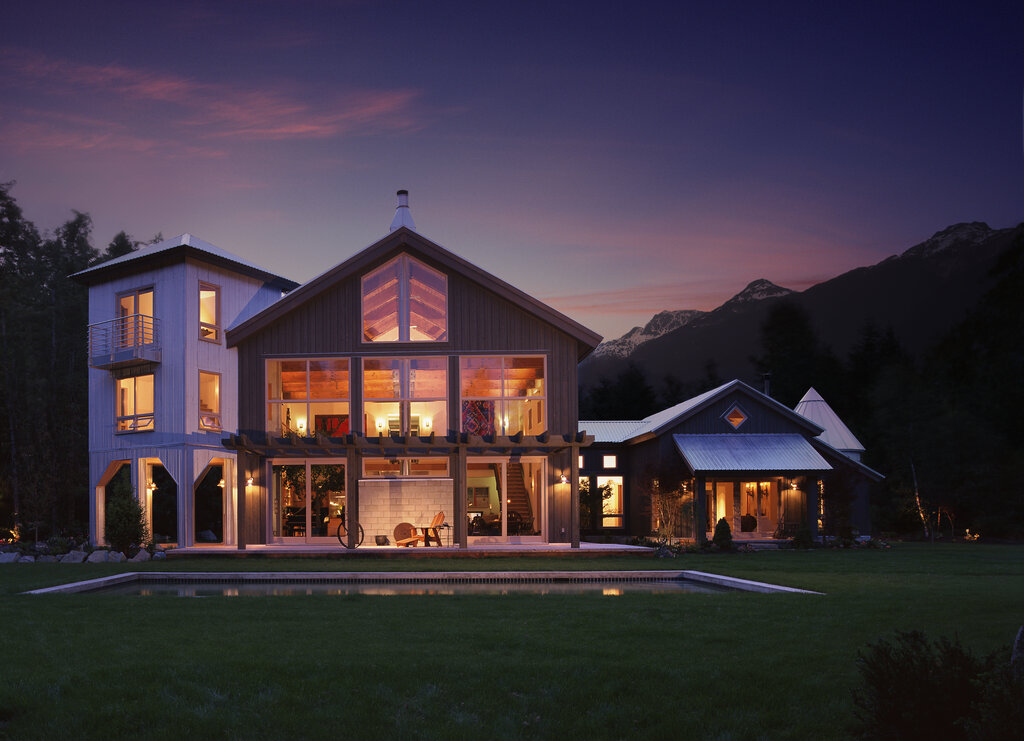
Here is a look at the minimum recommended lighting levels for homes today.
| Room or Environment | Footcandles | Lux |
|---|---|---|
| Bedrooms | 5 | 50 |
| Basements, Recreation Rooms, Enclosed Floors | 14 | 150 |
| Laundry Room | 19 | 200 |
| Bathrooms | 28 | 300 |
| Hallway, Entryway, Transition Spaces | 3 | 30 |
| Garage (General Environment) | 20 | 200 |
| Garage (Task Lighting, Workbench) | 93 | 1,000 |
| Formal Dining Room | 19 | 200 |
| Reading Area, Writing Space, Library | 19 | 200 |
| Informal Dining Space | 9 | 100 |
| General Kitchen Area | 9 | 100 |
| Kitchen Stovetop and Cooktop Area | 29 | 300 |
| Kitchen Prep Spaces | 47 | 500 |
| Living Room | 3 | 30 |
Although any bulb style or technology can provide these levels of light, the most efficient installation involves LEDs. Lower wattage requirements combine with equivalent lux and footcandle ratings to create desirable residential spaces to use.
| Room or Environment | Footcandles | Lux |
|---|---|---|
| Bedrooms | 20 | 50 |
| Basements, Recreation Rooms, Enclosed Floors | 30 | 323 |
| Laundry Room | 20 to 100 | 215 to 1,076 |
| Bathrooms | 20 to 50 | 215 to 538 |
| Hallway, Entryway, Transition Spaces | 10 to 20 | 108 to 215 |
| Garage (General Environment) | 30 | 323 |
| Garage (Task Lighting, Workbench) | 100 | 1,076 |
| Formal Dining Room | 50 to 100 | 538 to 1,076 |
| Reading Area, Writing Space, Library | 50 to 100 | 538 to 1,076 |
| Informal Dining Space | 20 to 50 | 215 to 538 |
| General Kitchen Area | 20 to 50 | 215 to 538 |
| Kitchen Stovetop and Cooktop Area | 50 to 100 | 538 to 1,076 |
| Kitchen Prep Spaces | 50 to 100 | 538 to 1,076 |
| Living Room | 10 to 20 | 108 to 215 |
The difference in lux can be significant when comparing minimum to recommended levels in many homes. This is why it is crucial to understand how much space is in each area to ensure an LED light bulb delivers appropriate performance.
The recommended lighting levels for businesses depend on the purpose of the environment. Working in a warehouse is a different experience than putting together a retail display, which means the fixtures must meet specific minimums to provide safe and efficient lighting.
Here are common task-specific commercial lighting requirements to help you compare.
| Commercial Space | Lux | Footcandles |
|---|---|---|
| Offices | 300 – 500 lux | 28 – 46 fc |
| Retail (aisles/walkways) | 200 – 300 lux | 18 – 28 fc |
| Retail (merchandise displays) | 500 – 1000 lux | 46 – 93 fc |
| Hospitals (patient rooms) | 100 – 300 lux | 9 – 28 fc |
| Hospitals (operating rooms) | 10,000 – 100,000 lux | 929 – 9,290 fc |
| Warehouses (storage areas) | 100 – 300 lux | 9 – 28 fc |
| Restaurants (dining areas) | 100 – 200 lux | 9 – 18 fc |
| Restaurants (kitchens) | 500 – 1000 lux | 46 – 93 fc |
The average office space requires about 40 lumens per square foot. That's the same amount you'd want to have in a classroom, conference area, or department store.
Shops, showrooms, and grocery settings benefit from a boost to 50 lumens per square foot. Better color rendering makes items appear more realistic to the eye.
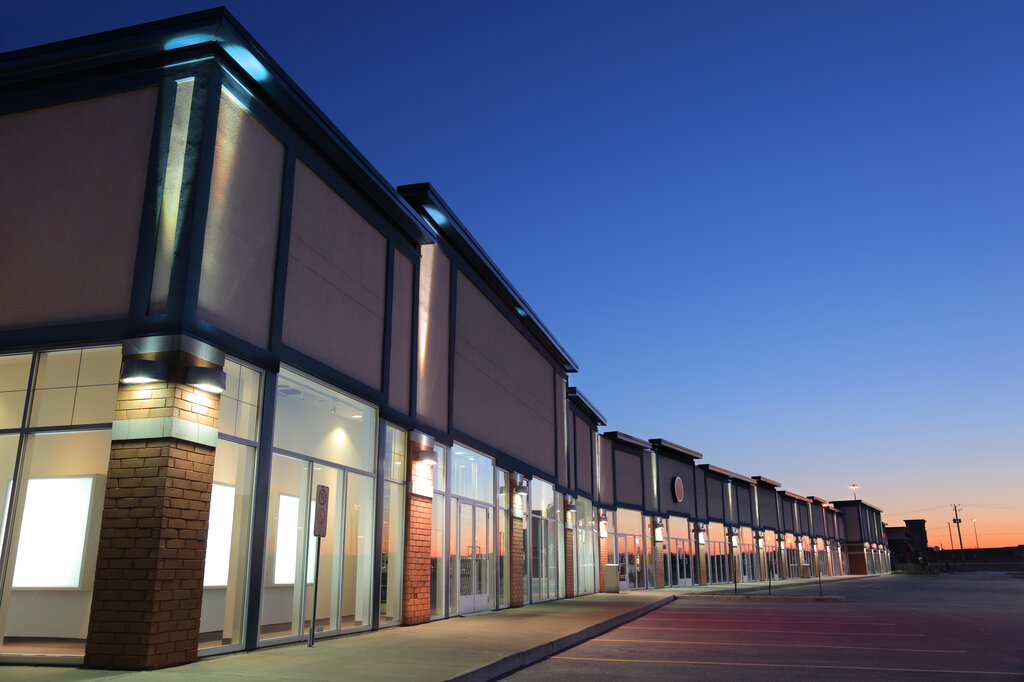
By understanding what a building needs, whether it's a residential or a commercial setting, it is easier to create a safer and more productive space. If you're looking for lighting options today, use this guide to determine the minimum levels you’d like to incorporate into those areas.
FOLLOW US ON:


